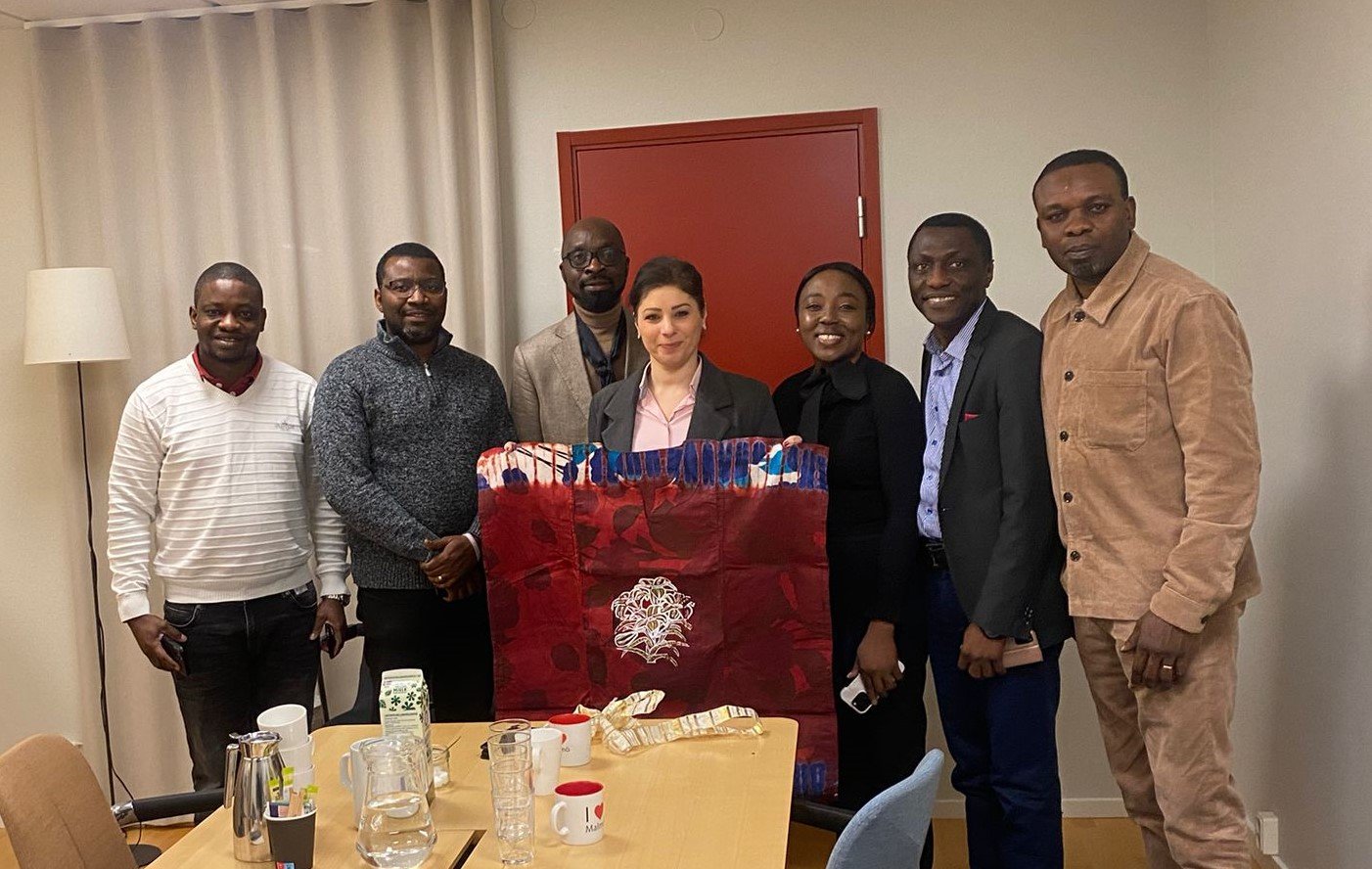
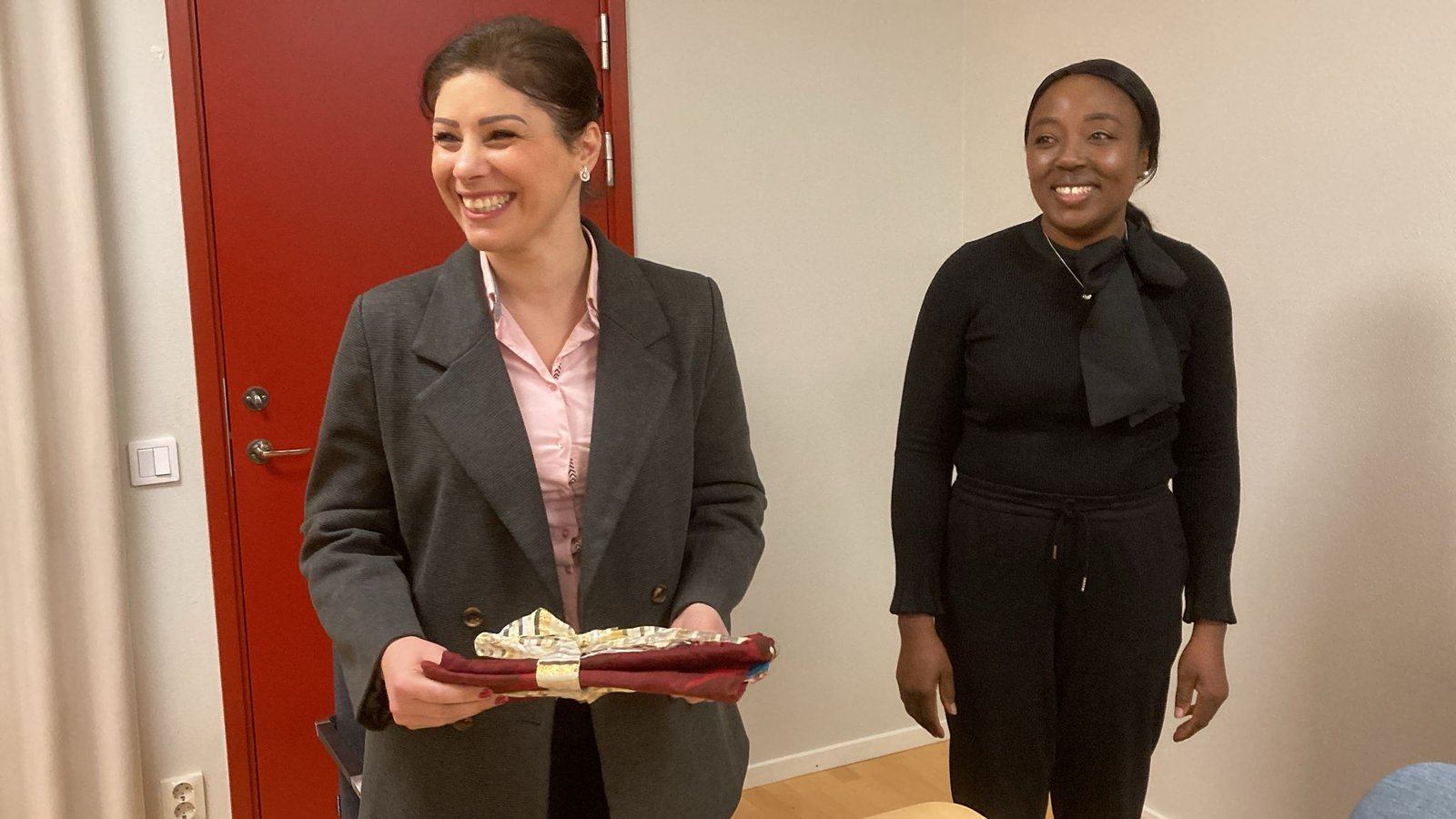
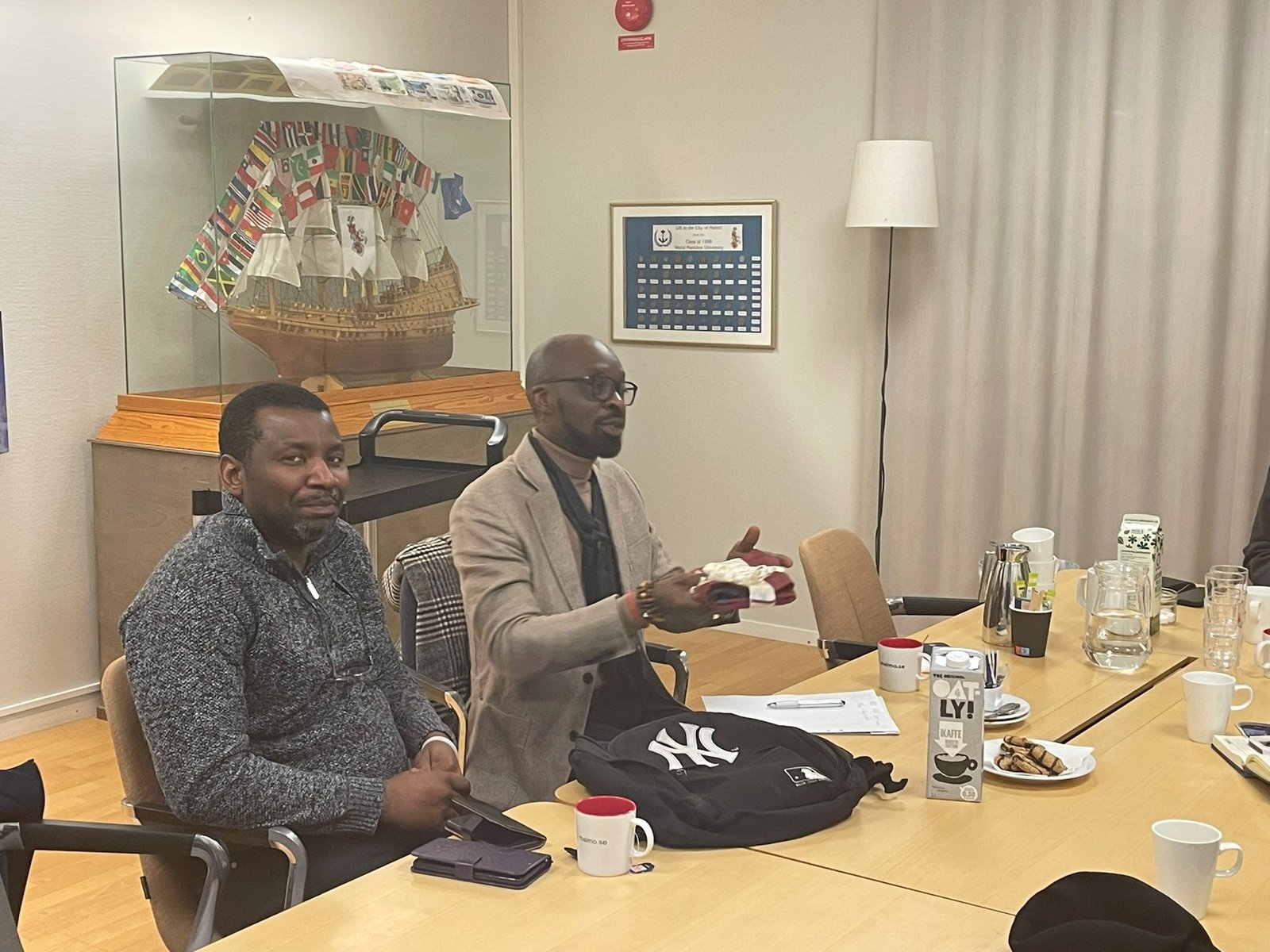
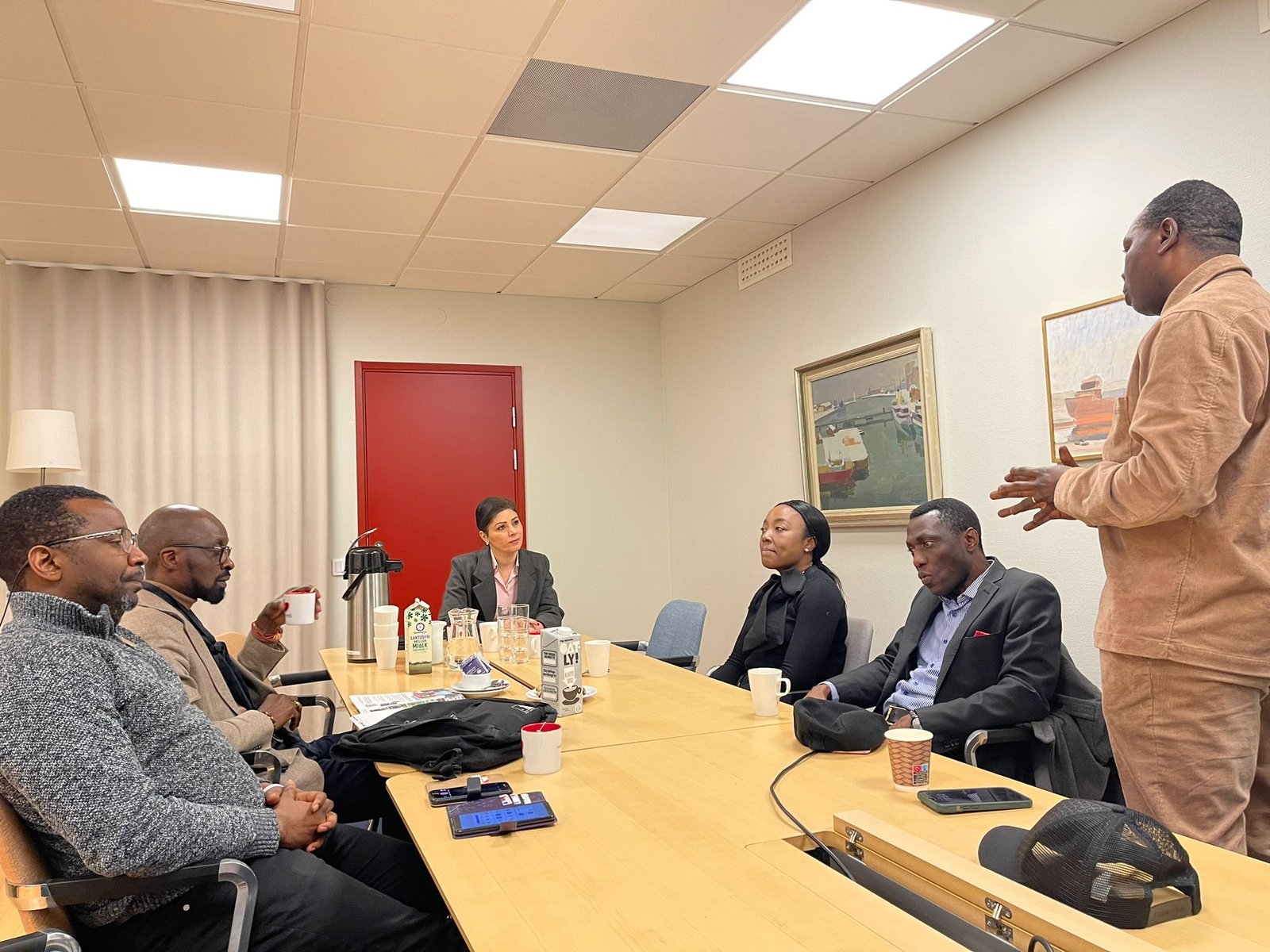
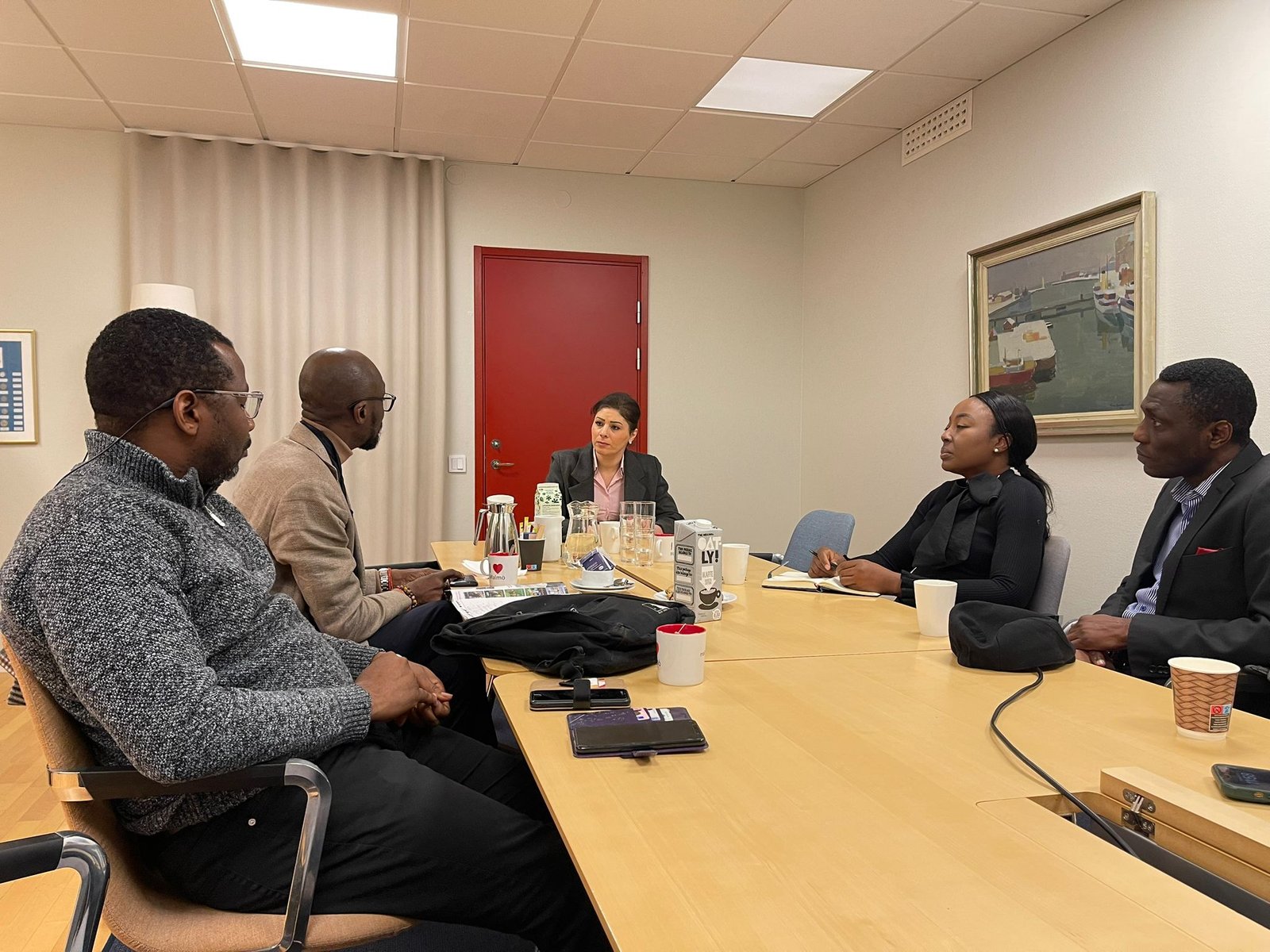
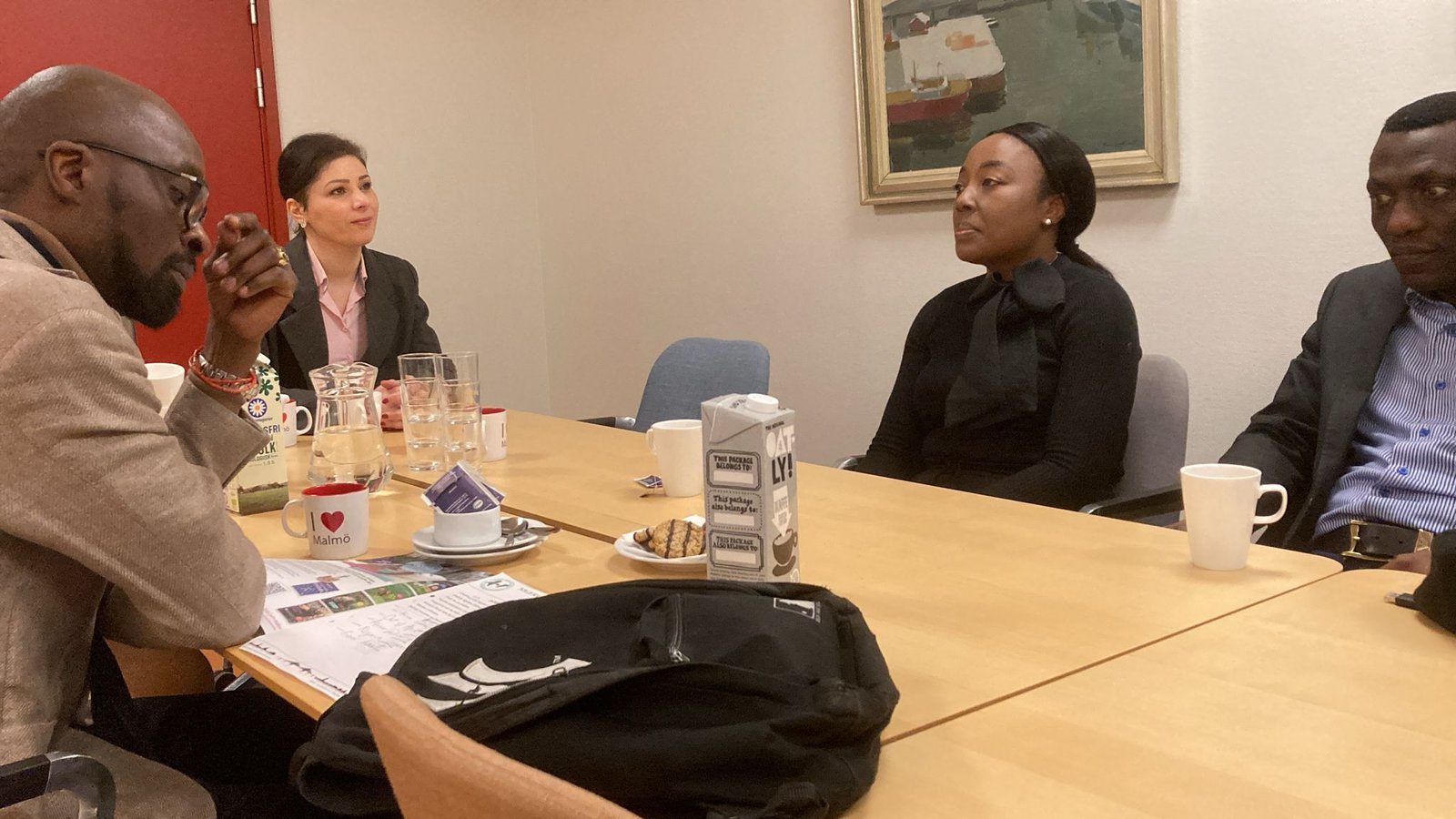
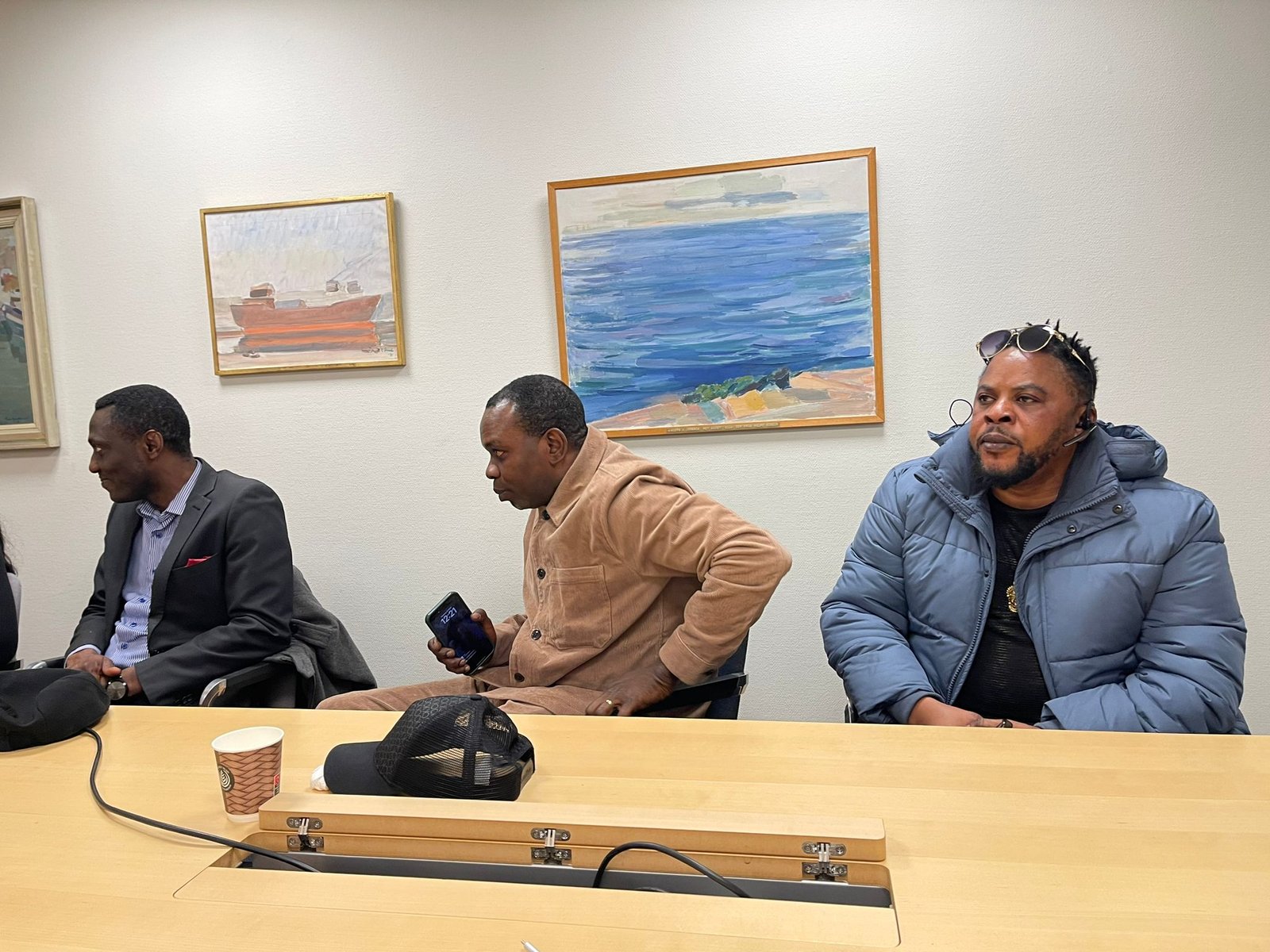
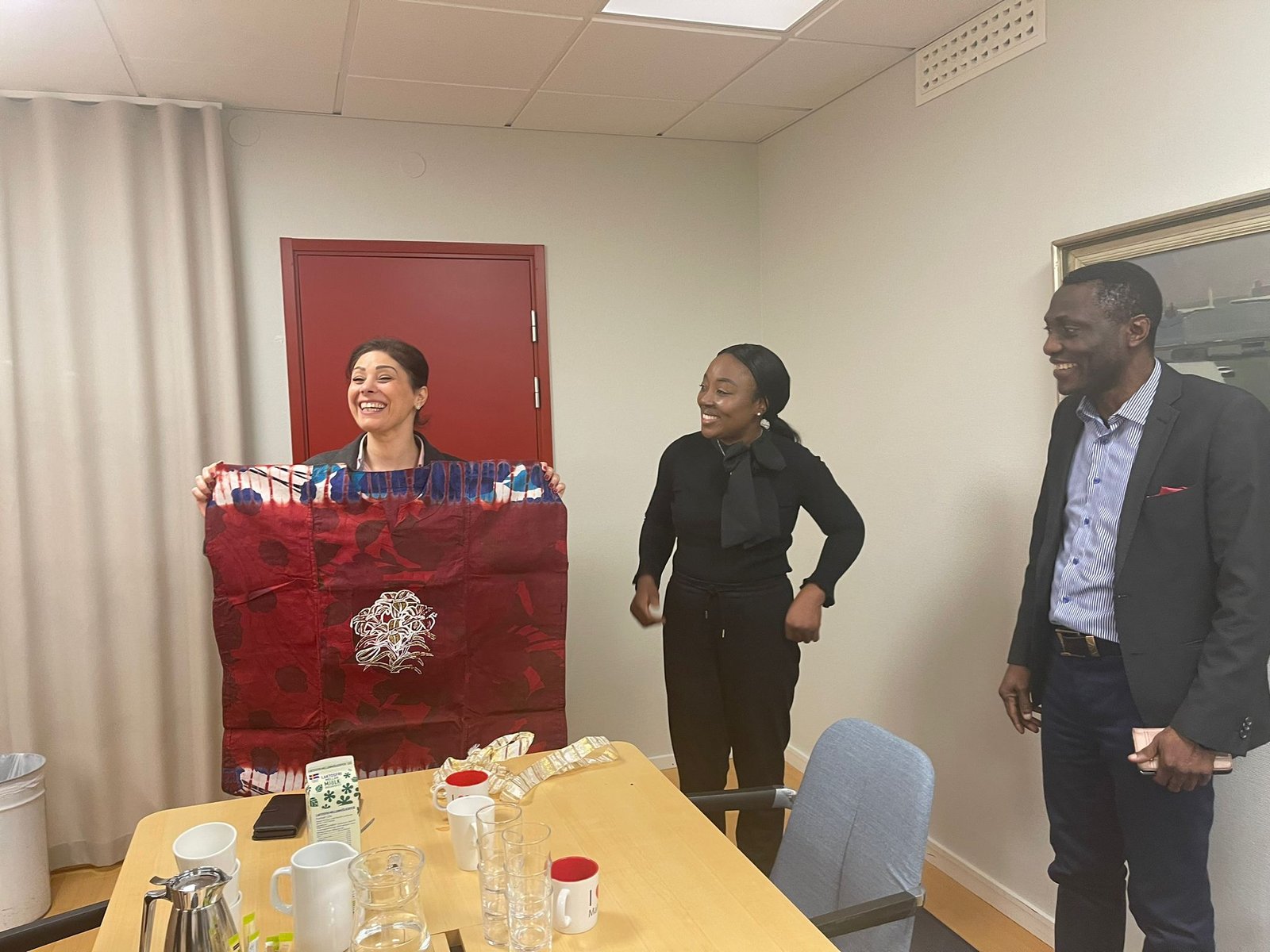
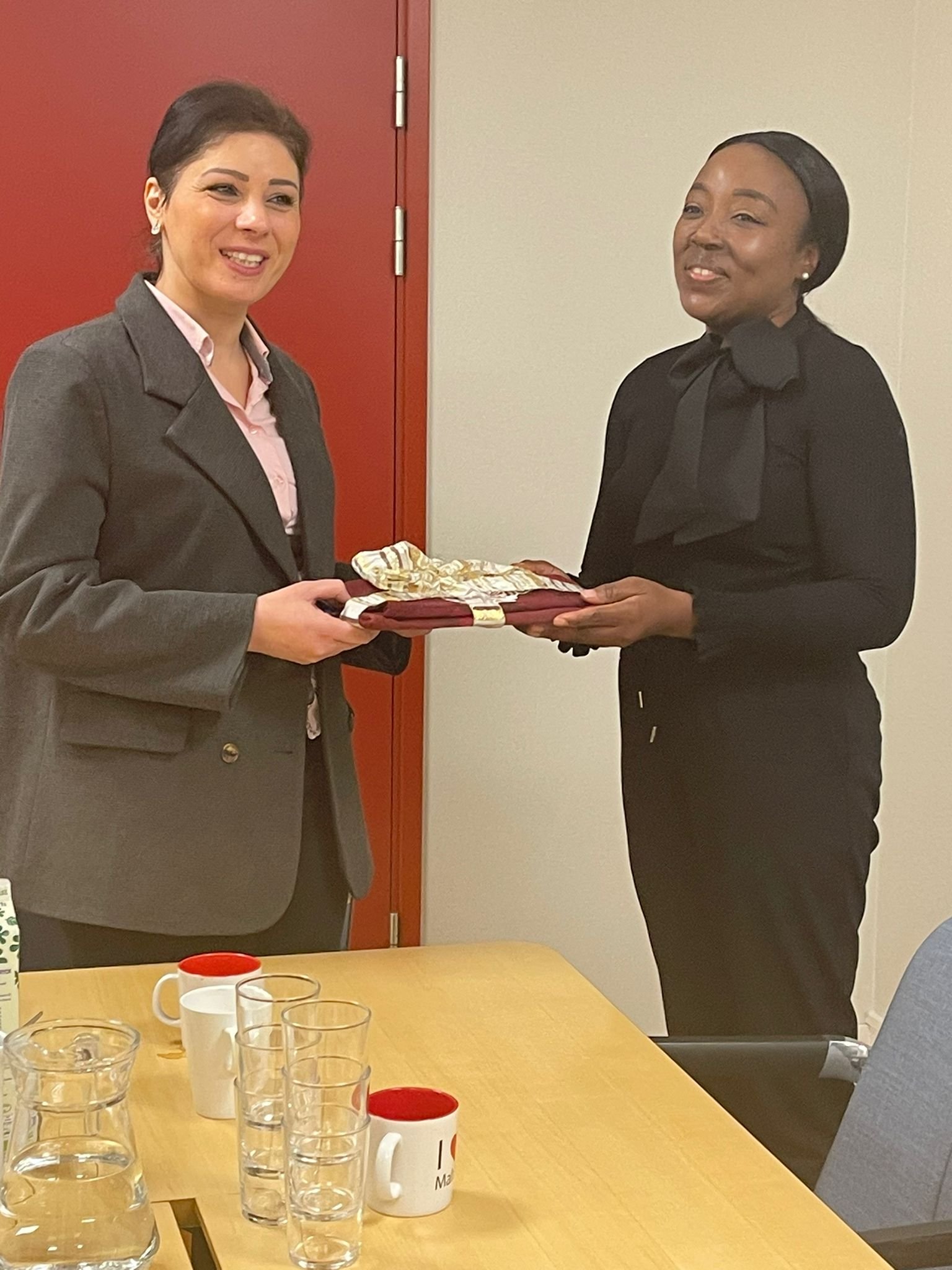
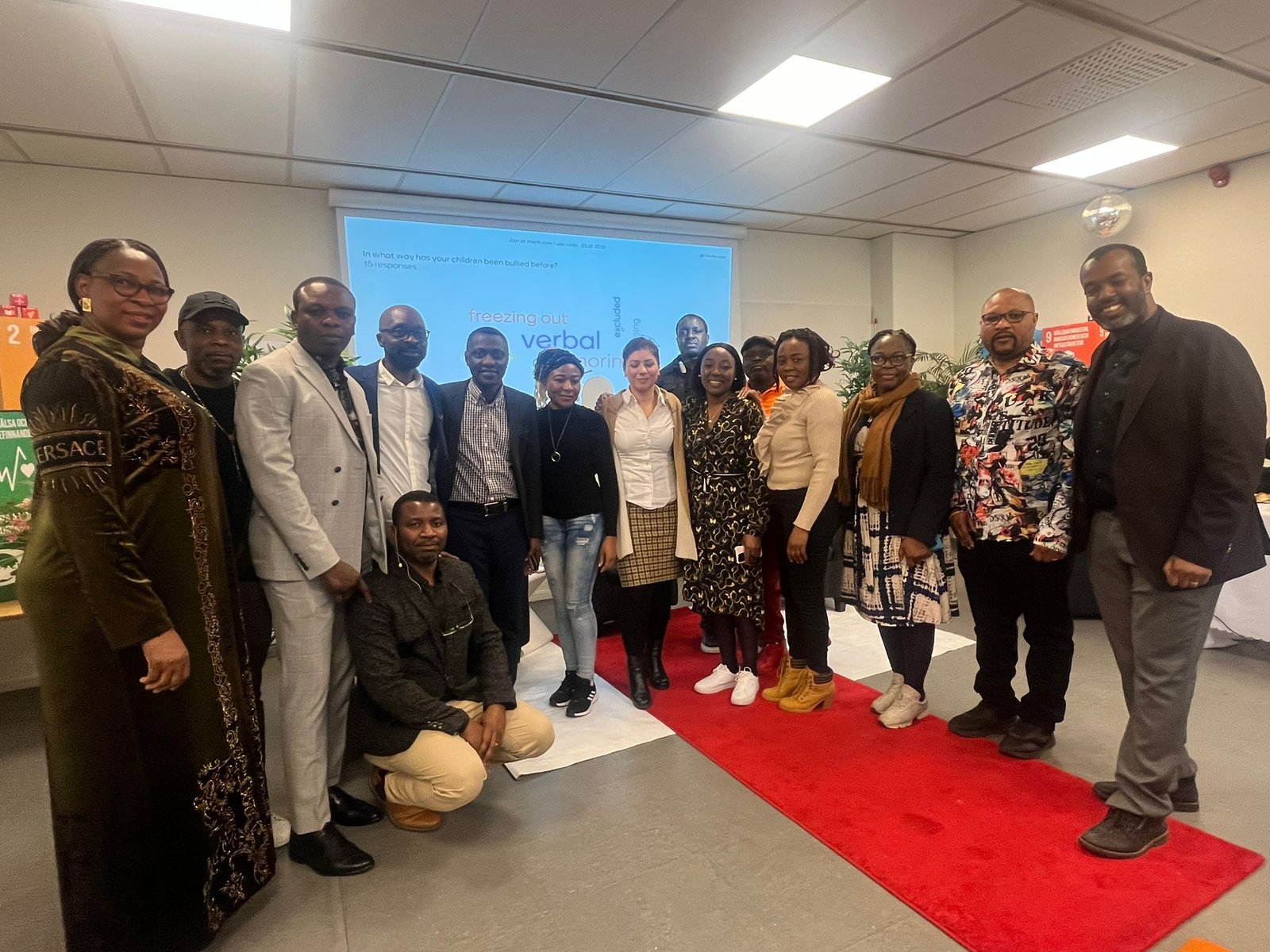
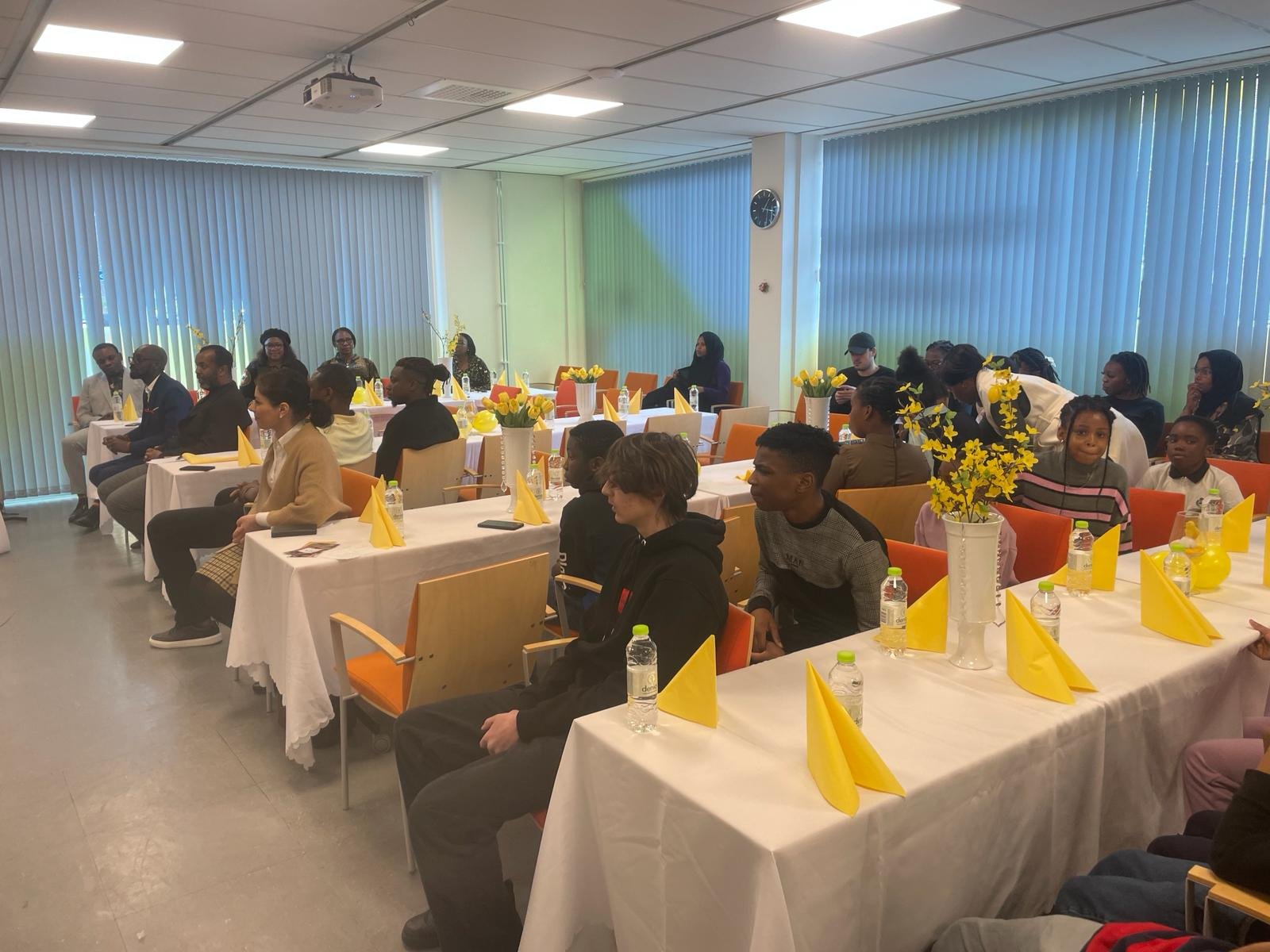
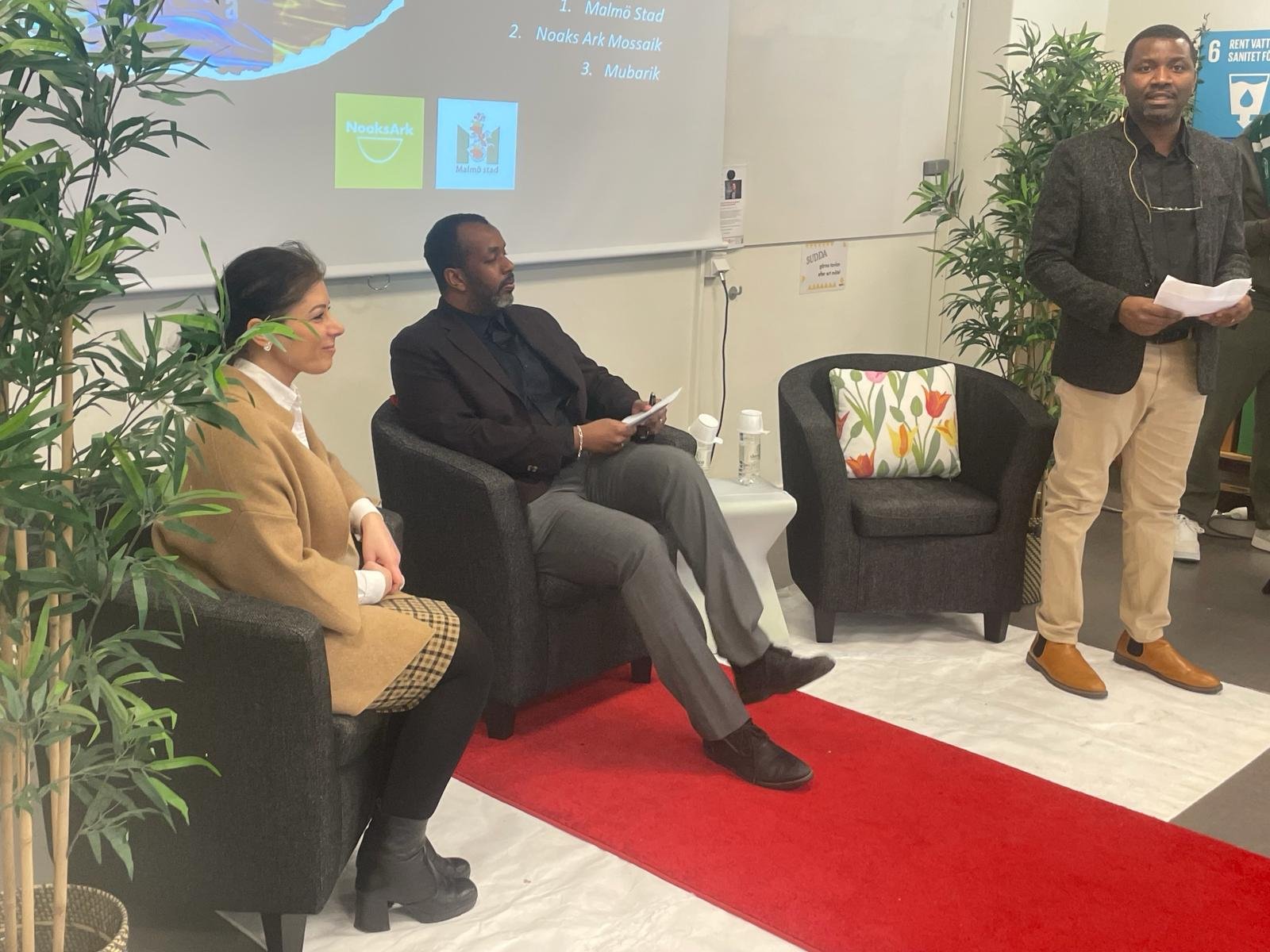
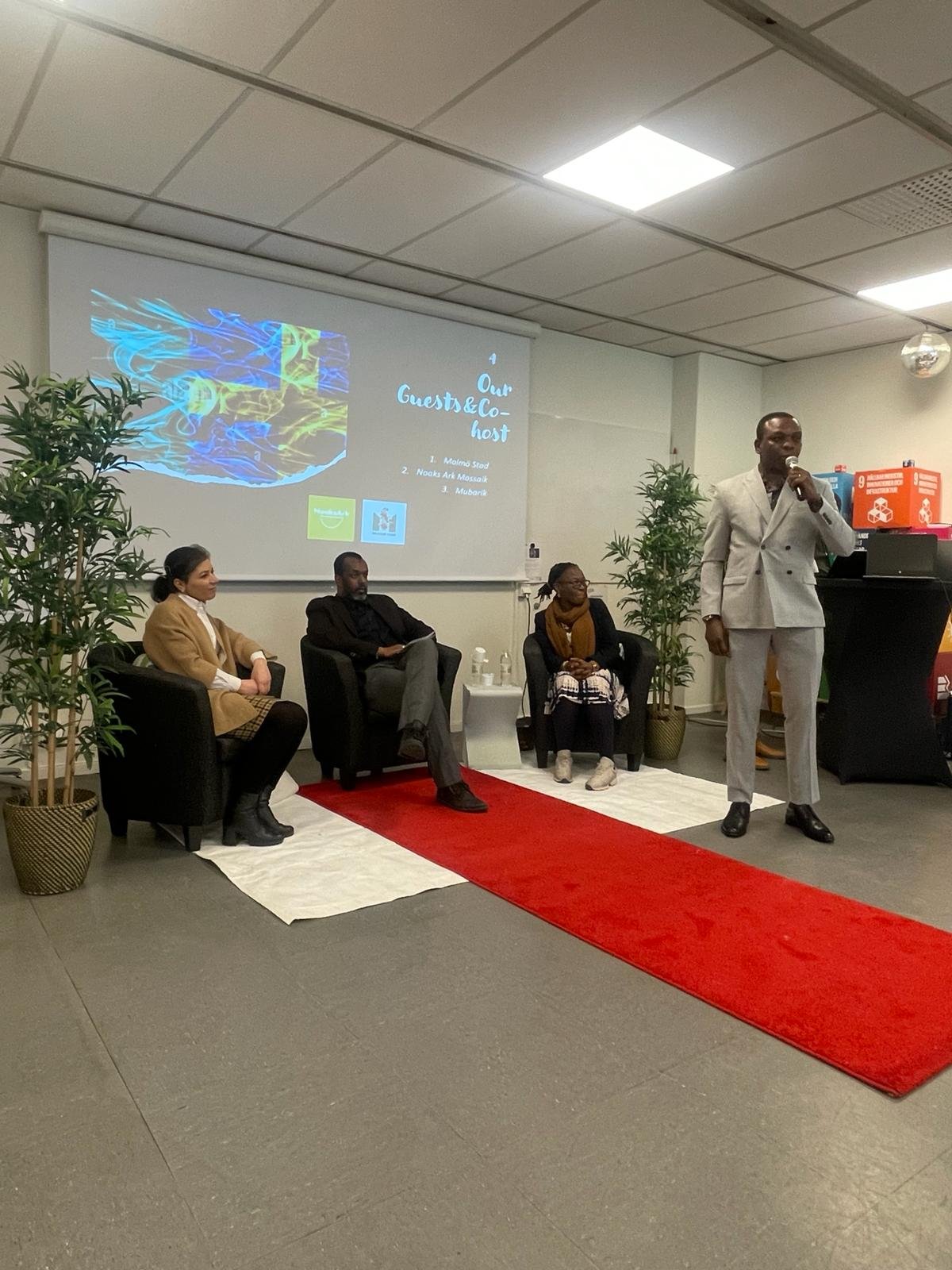
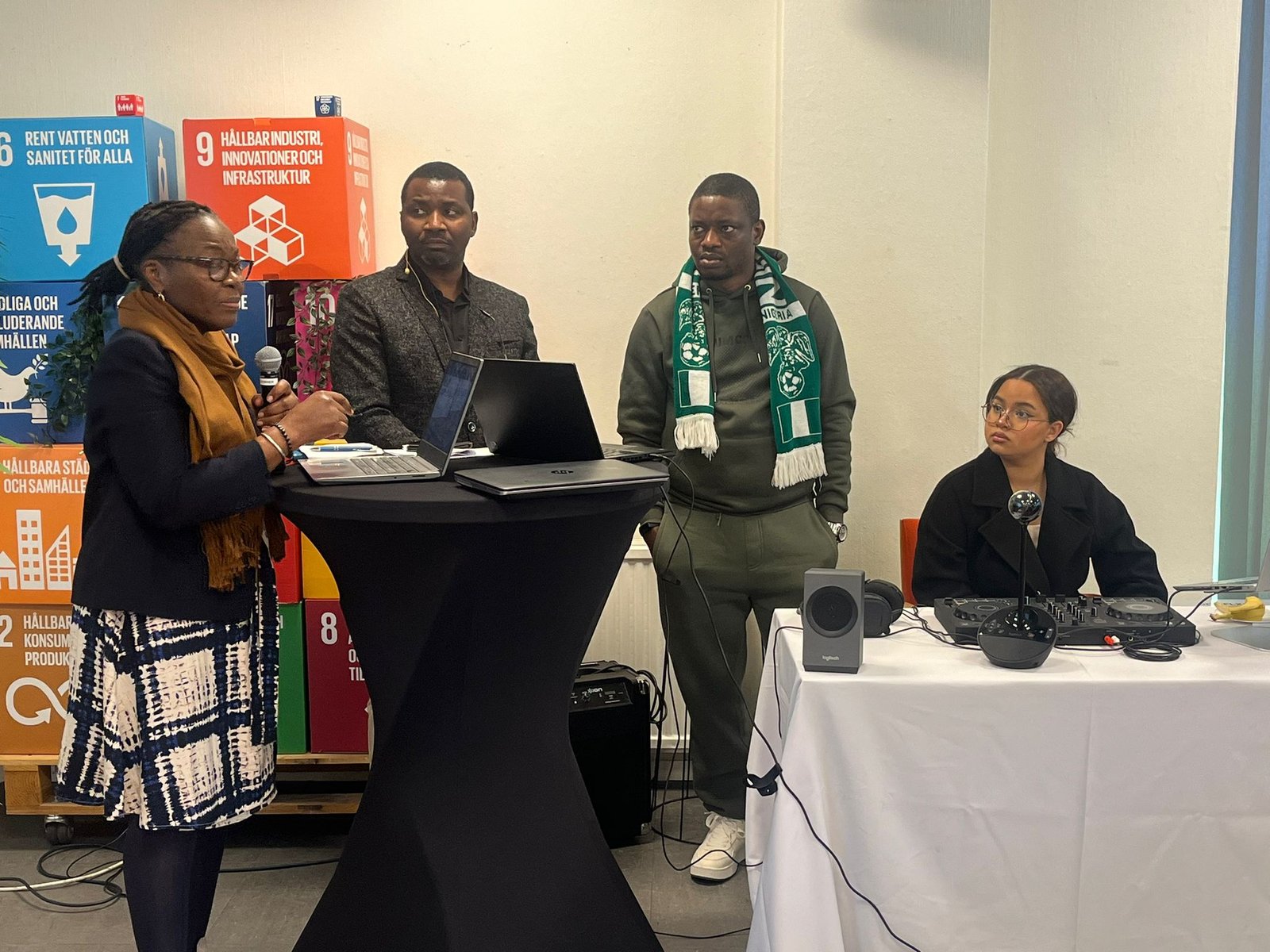
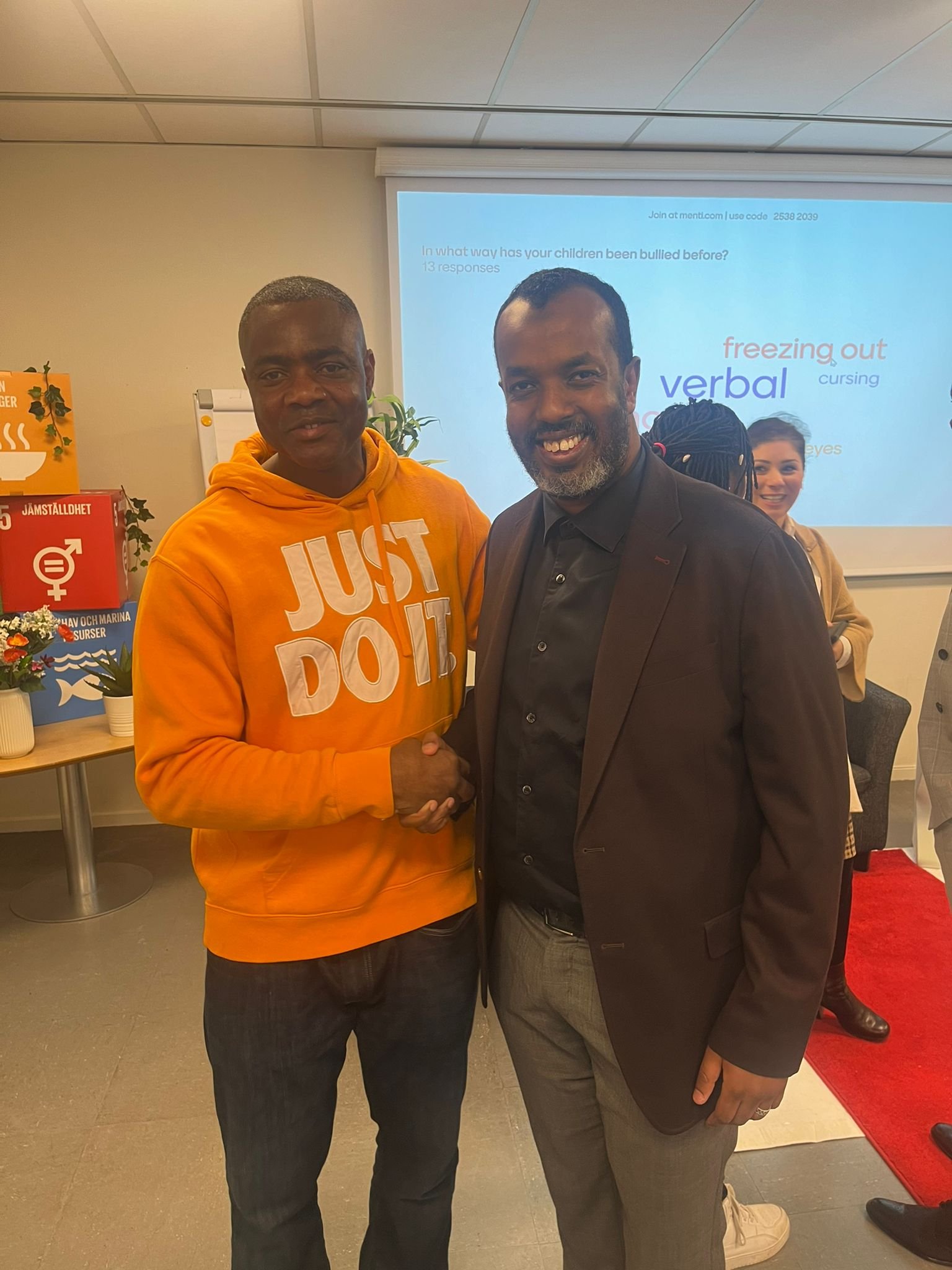
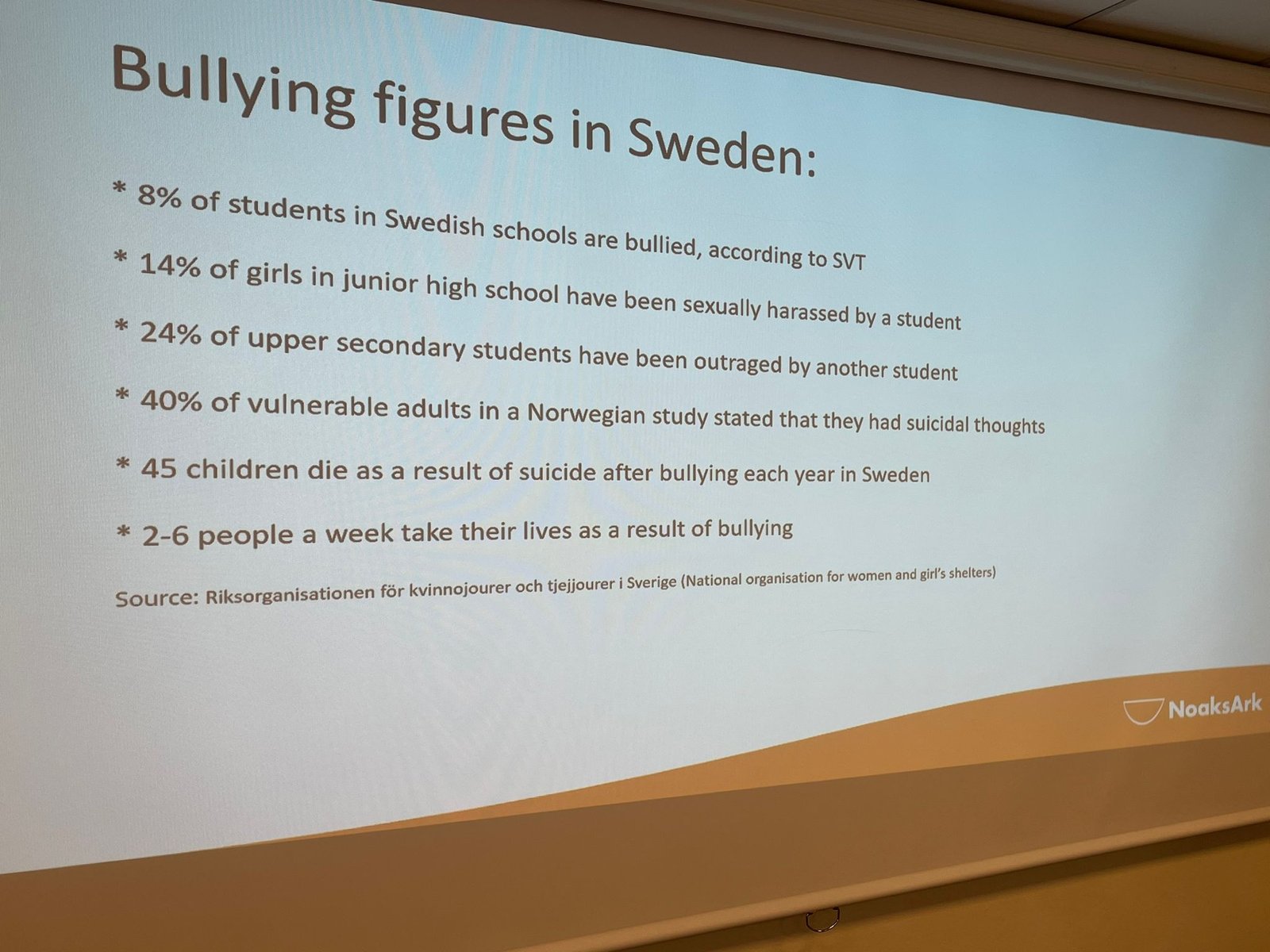
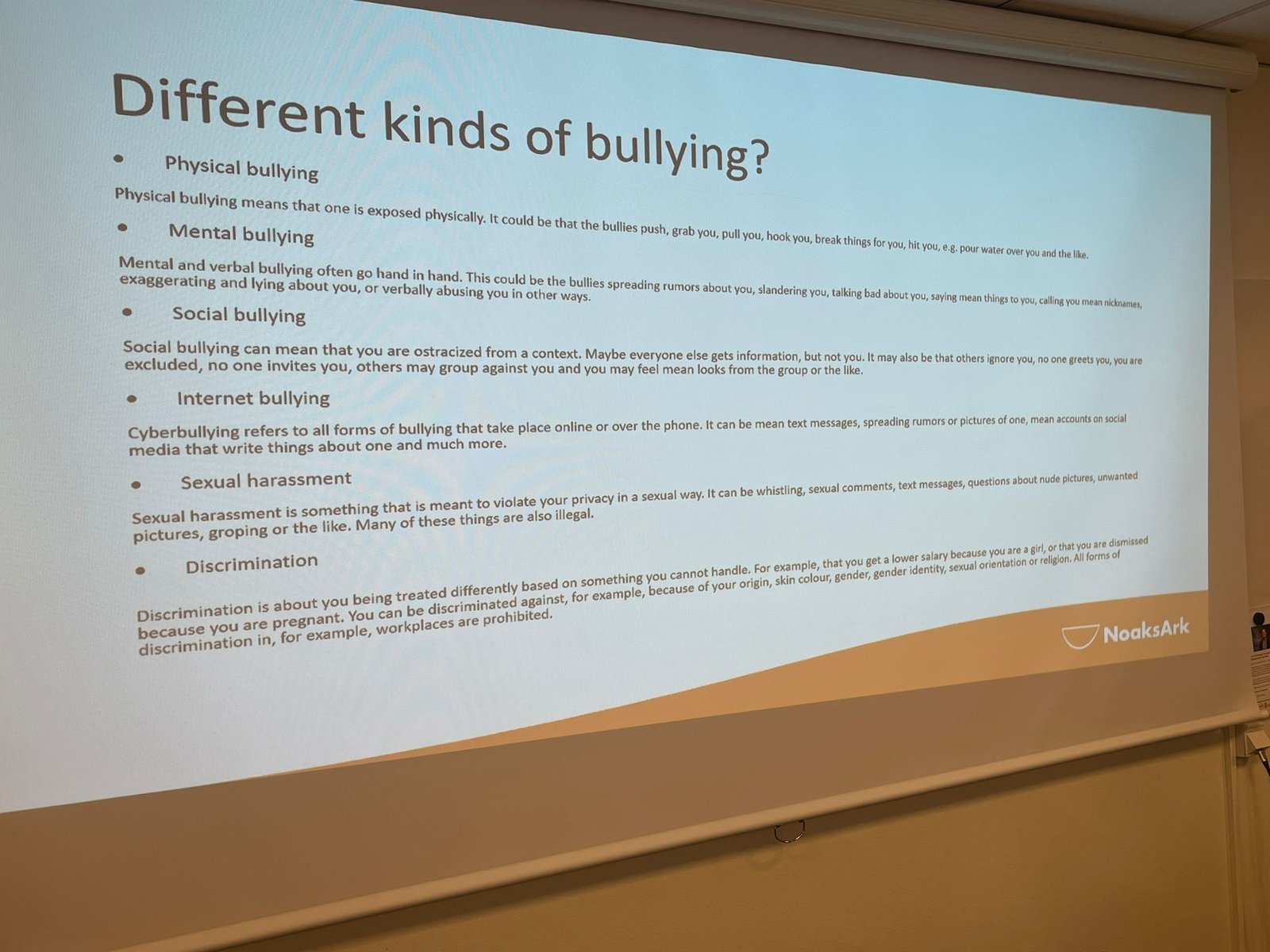
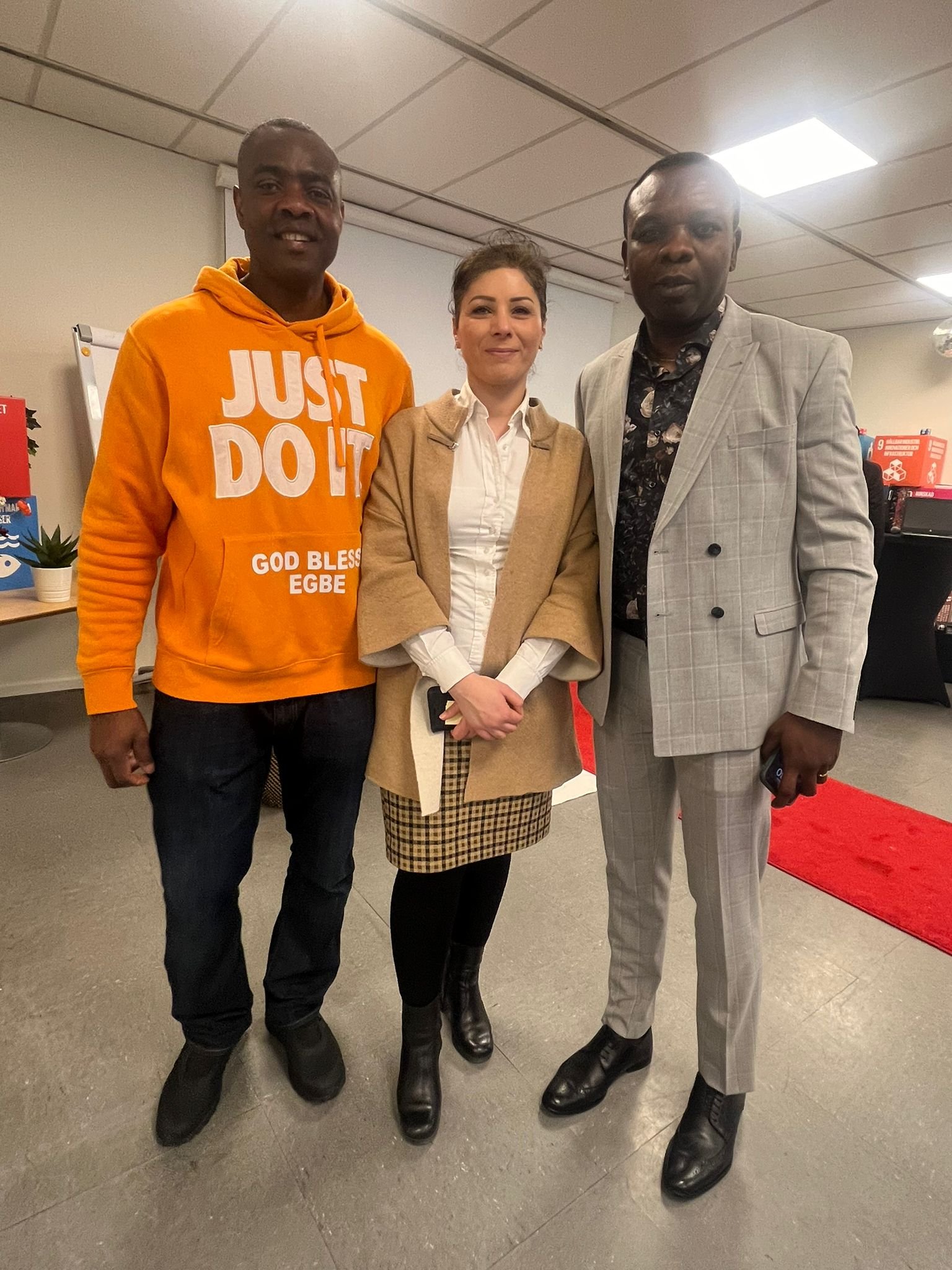
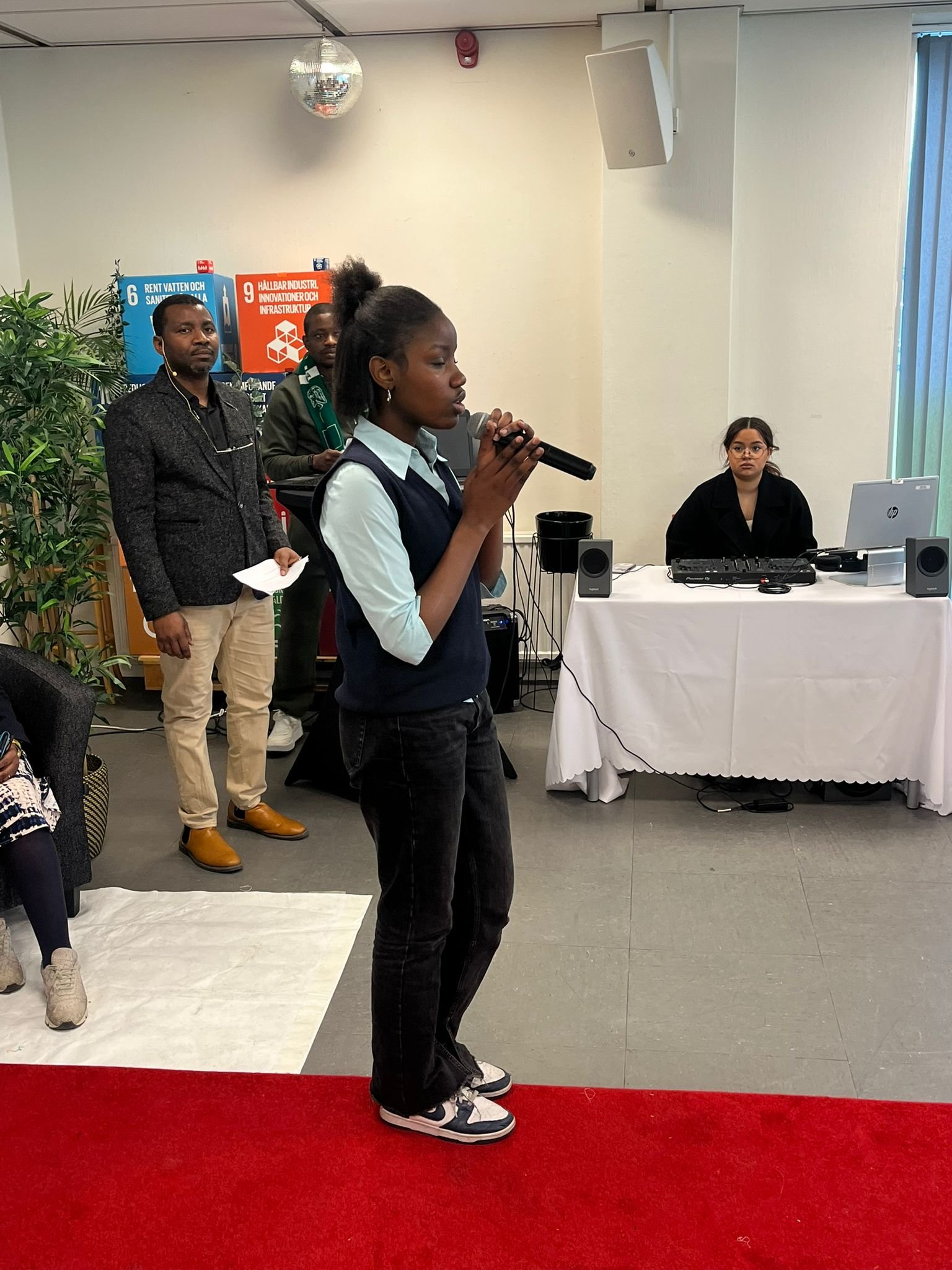
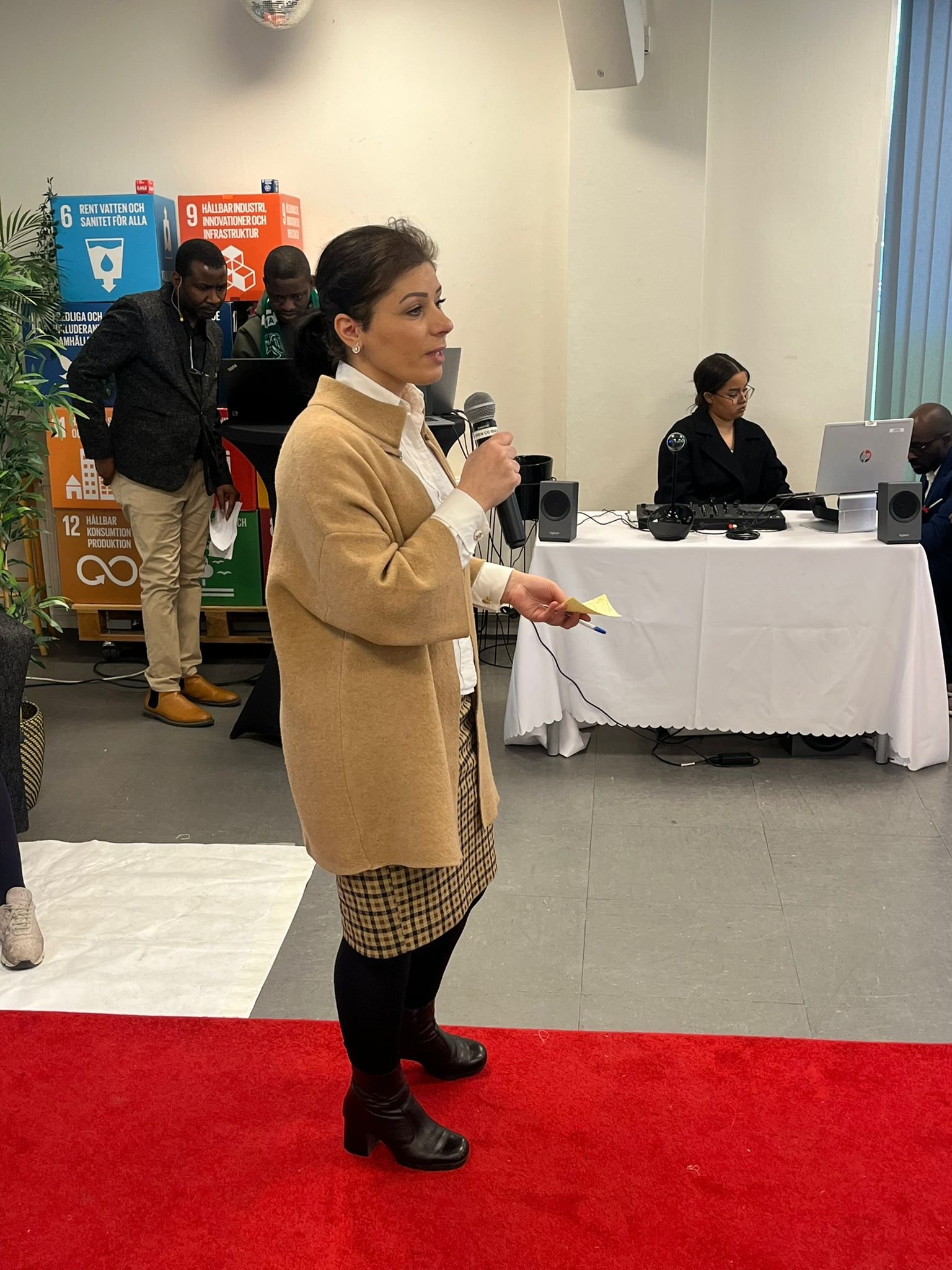
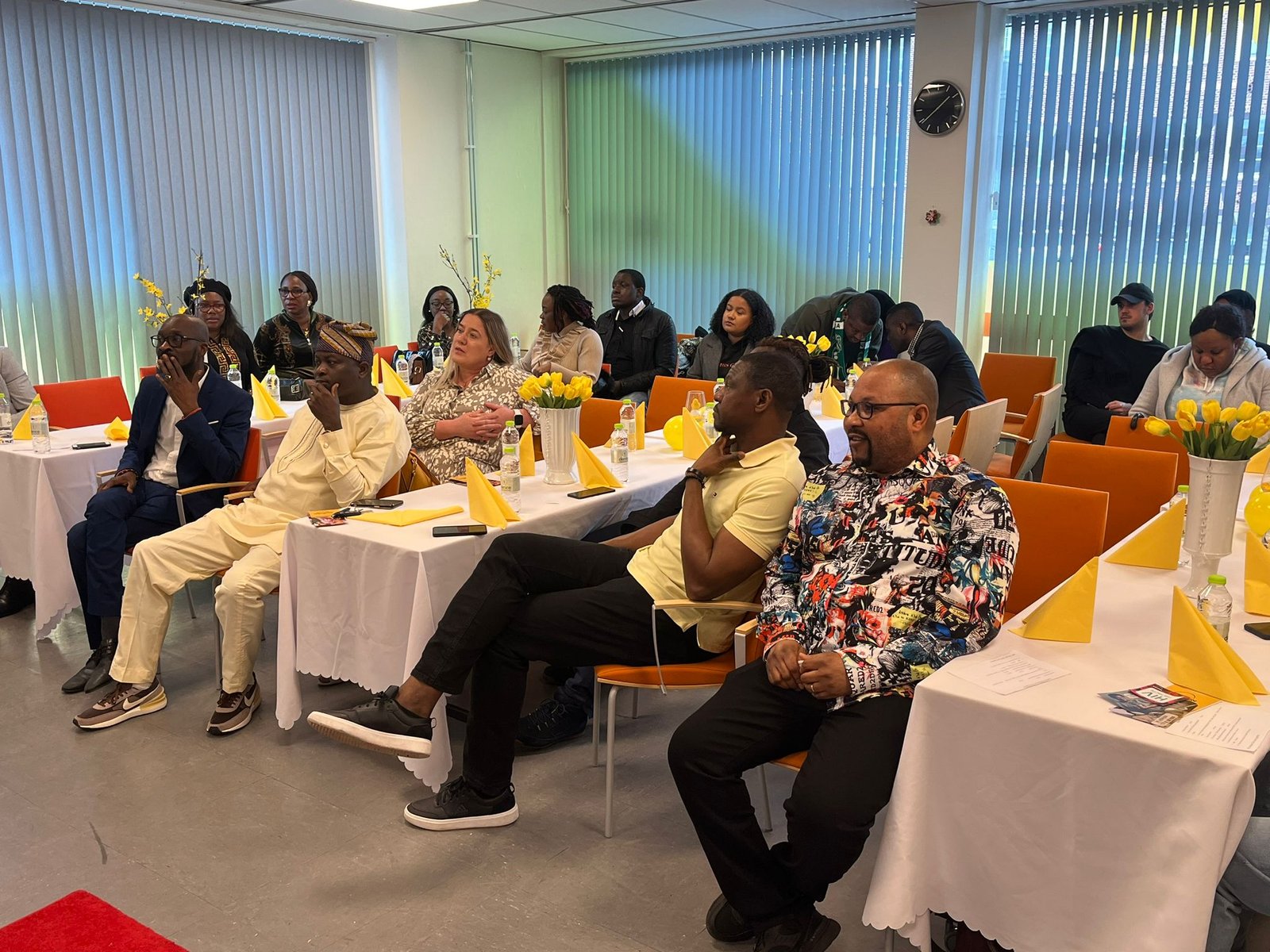
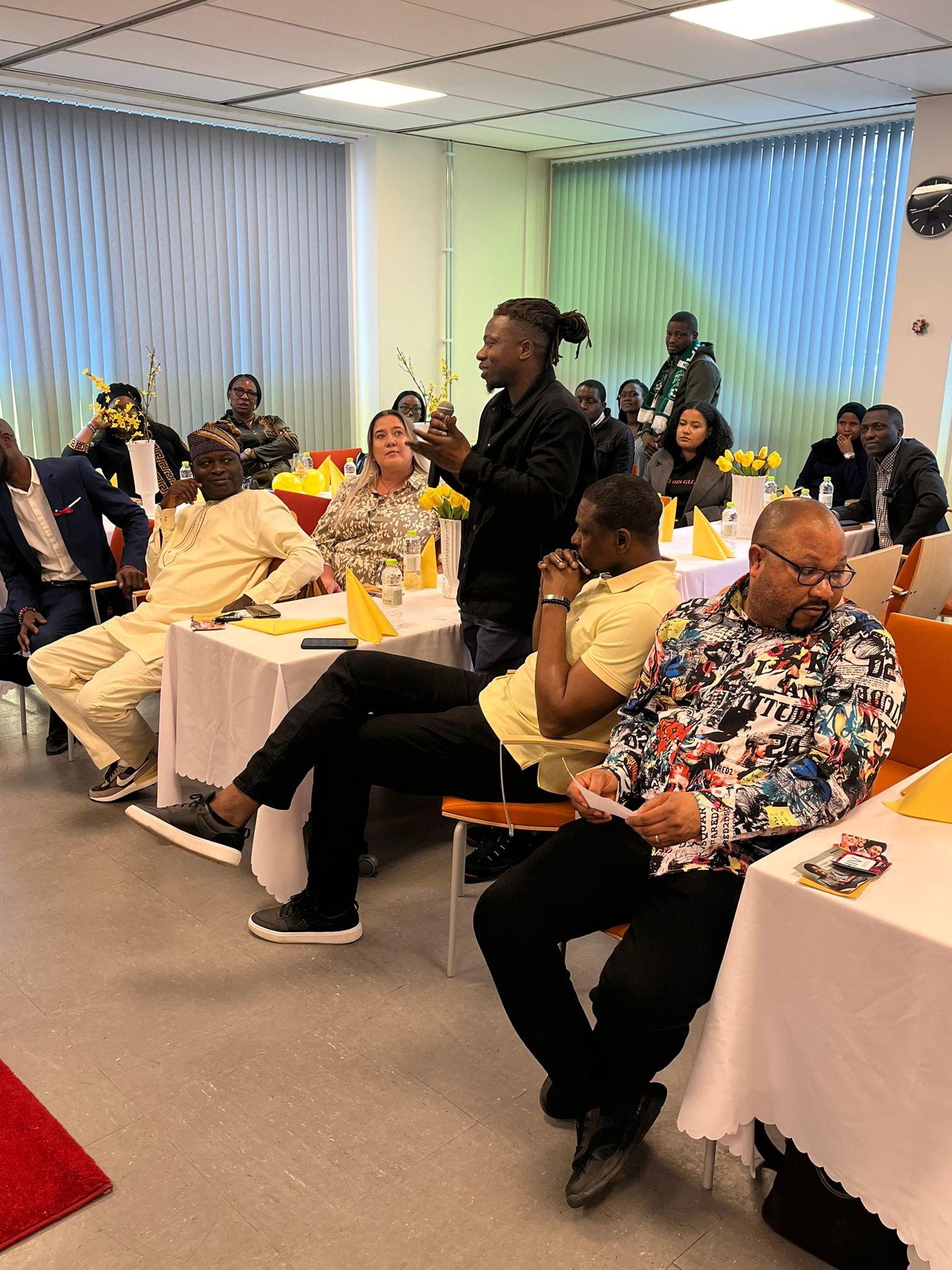
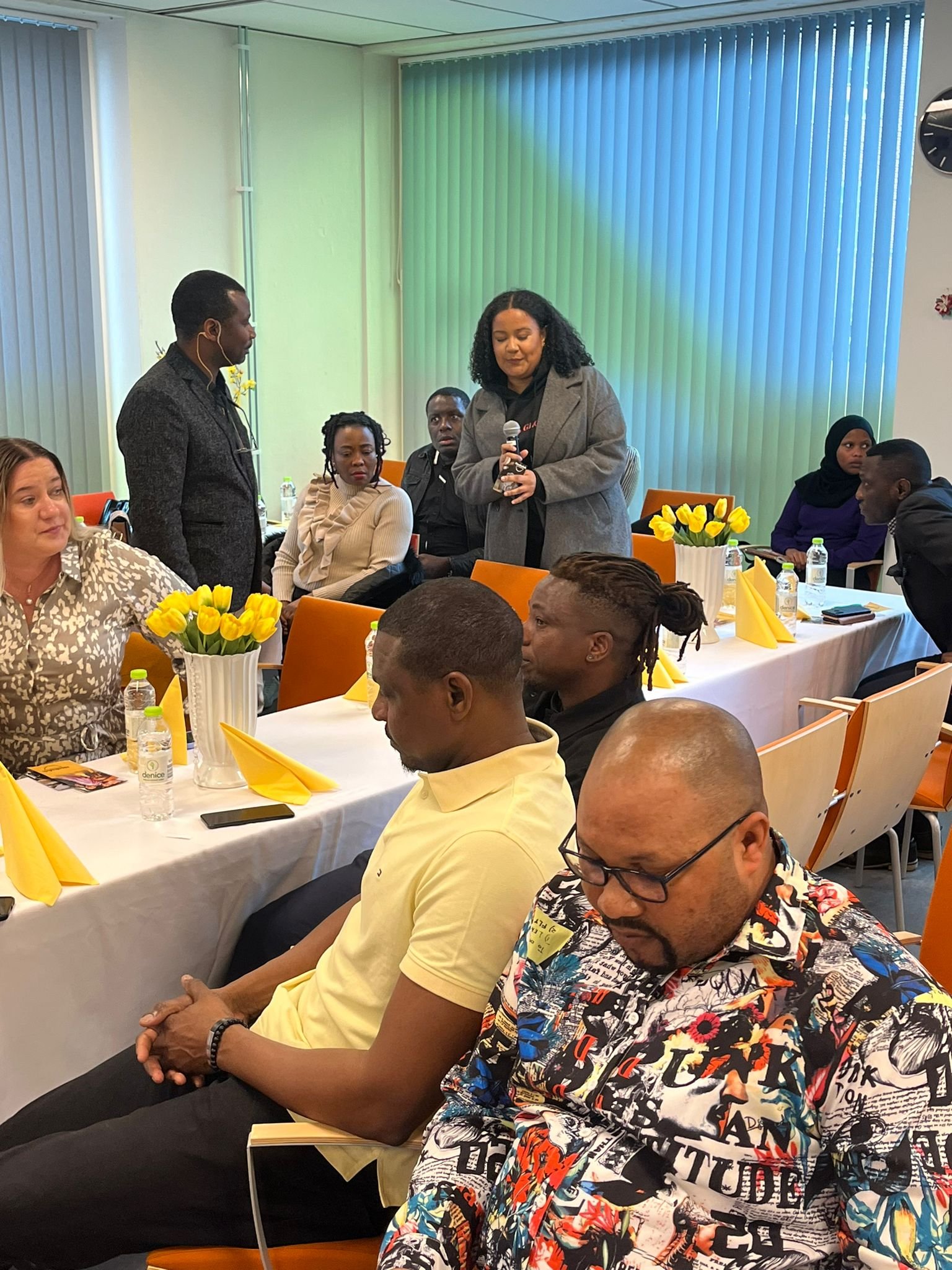
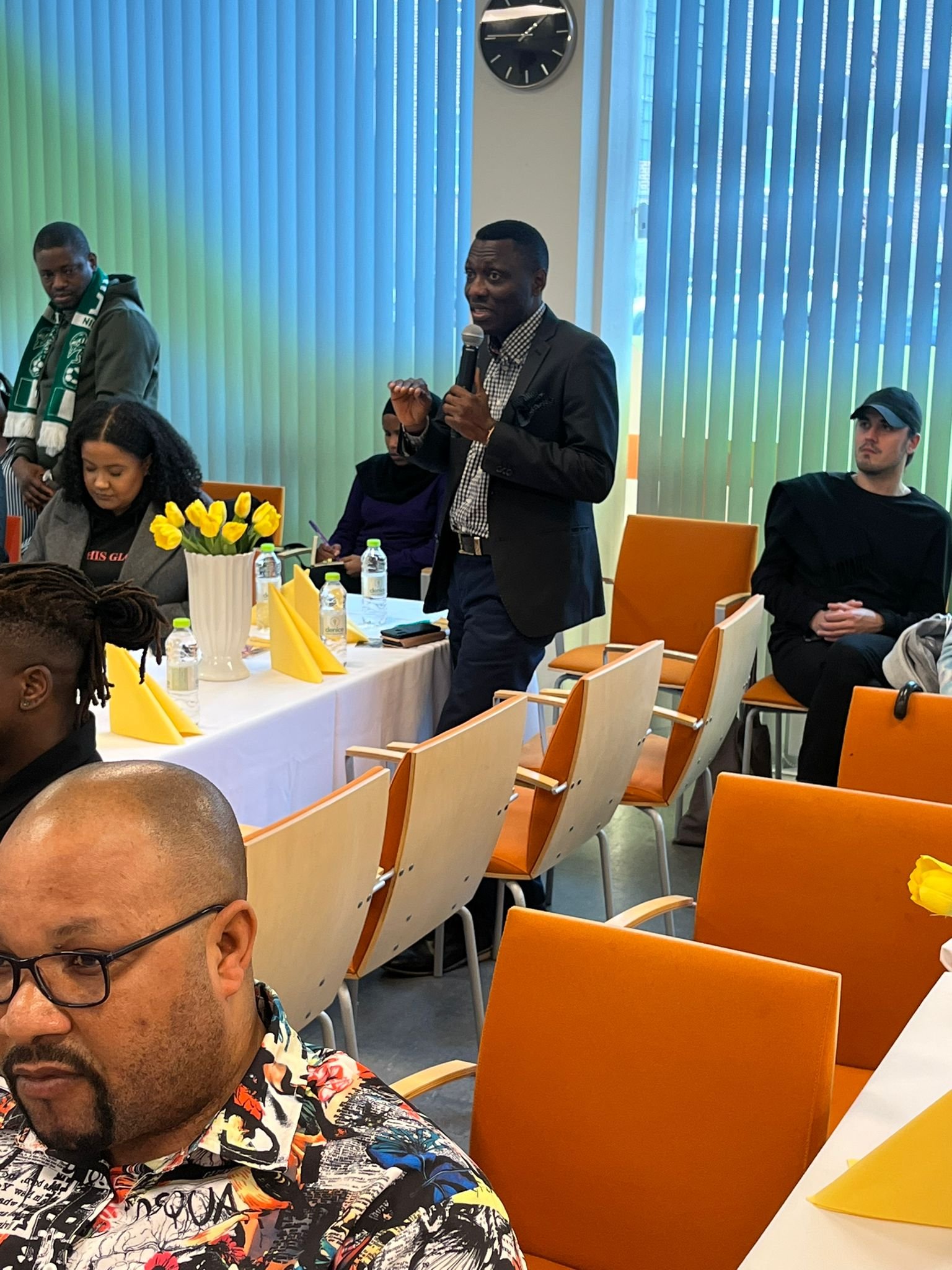
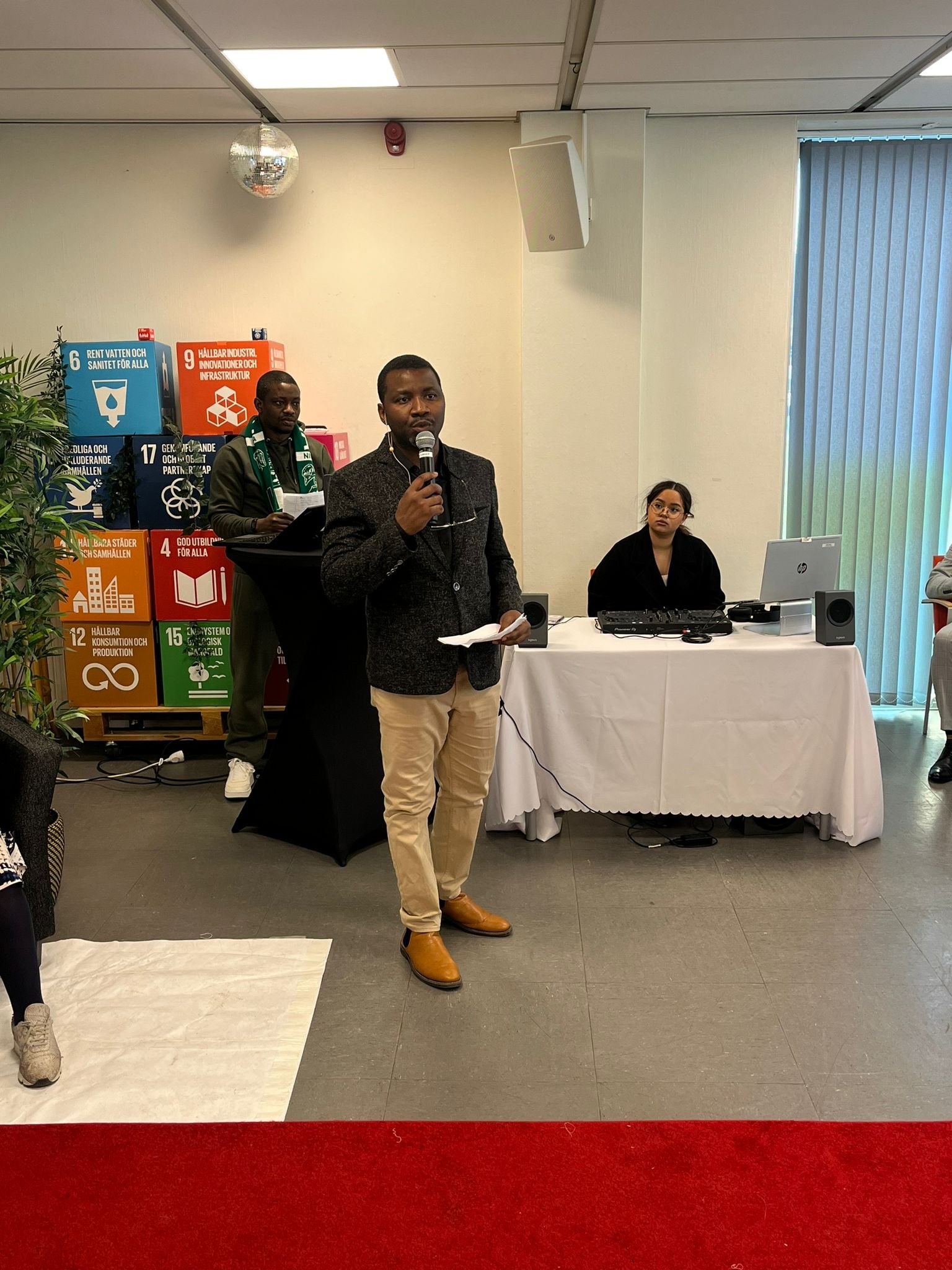
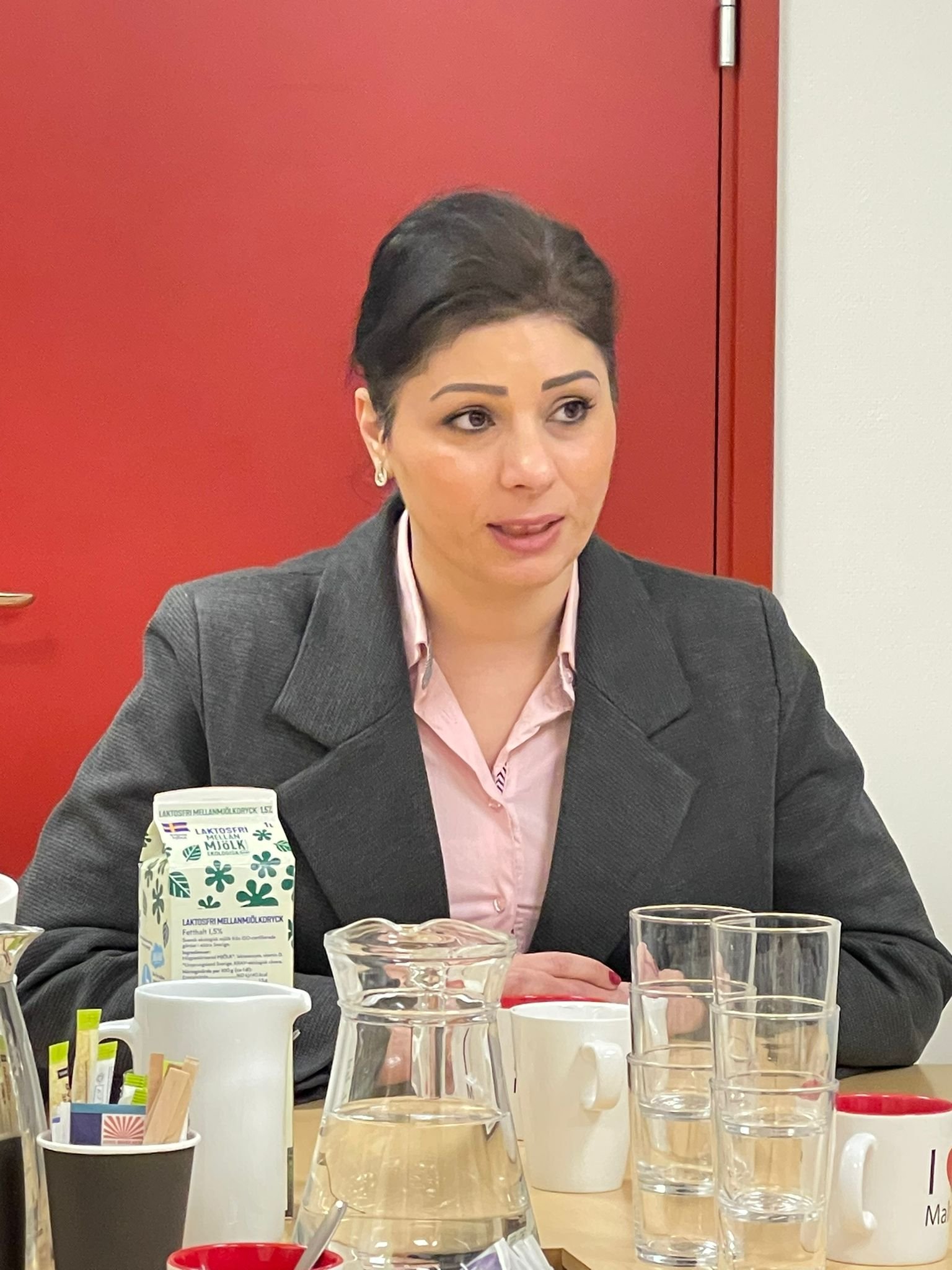
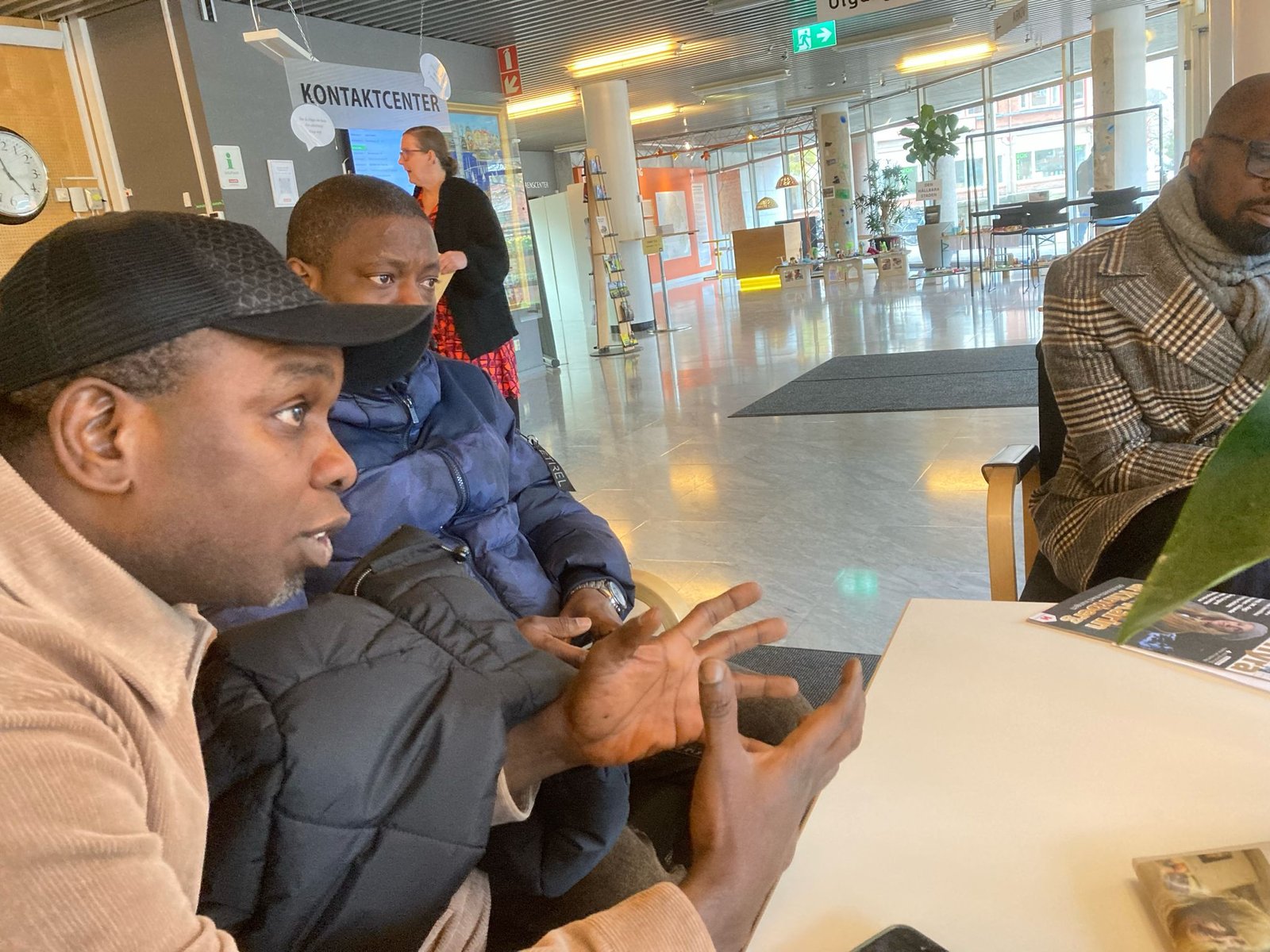
On March 29, 2024, the Nigerian community in Skåne, Sweden, gathered for a seminar tagged “Bullying Prevention and Awareness.”
Bullying, especially directed towards migrant children of African descent, is a significant issue within Swedish schools, playgrounds, and activity houses. Despite Sweden’s reputation for being a progressive and inclusive society, the reality for many African (Nigerian) children in Skåne, particularly in Malmö Kommun, tells a different story.
One of the main challenges faced by African children in Sweden is the prevalence of racial prejudice and discrimination. Migrant children, especially those of African descent, often find themselves subjected to bullying and harassment based on their ethnicity, skin color, or cultural background. This form of bullying can take various shapes and forms, ranging from verbal insults and derogatory remarks to exclusion and physical violence.
The roots of this prejudice run deep and are often fueled by stereotypes and misconceptions about African cultures and identities. Migrant children may be singled out and targeted simply because they look different or come from a different background. This discrimination not only affects the individual well-being and self-esteem of the children but also creates a hostile and unwelcoming environment within the school community.
Moreover, the issue of bullying against migrant children is exacerbated by a lack of awareness and understanding among both students and educators. There is often a failure to recognize and address the underlying causes of bullying, including racism and xenophobia. Without proper education and intervention, these harmful behaviors can persist and escalate, leading to long-term psychological and emotional consequences for the victims.
In response to these challenges, it is essential for schools, authorities, and community organizations to take proactive measures to combat bullying and promote diversity and inclusion. This includes implementing comprehensive anti-bullying policies that explicitly address issues of racism and discrimination, providing cultural sensitivity training for staff and students, and fostering a supportive and inclusive school climate where all children feel valued and respected.
Furthermore, collaboration with migrant communities and organizations is crucial in creating a more inclusive and welcoming environment for African children in Skåne. By working together to raise awareness, challenge stereotypes, and promote mutual understanding, we can strive towards a society where every child, regardless of their background, feels safe, accepted, and empowered to thrive.